Posts

Showing posts with the label Trauma

3 Self-Care Methods to Understanding Trauma and Hyper-Observation.

Image
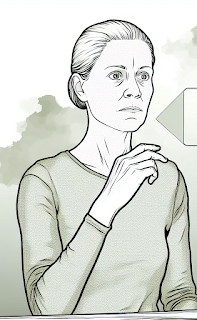
  3 Self-Care Methods to Understanding Trauma and Hyper-Observation.   How to Recognize and Manage the Impacts of Trauma Through Mindful Practices Trauma can leave a lasting impact on our minds and bodies, sometimes showing up in ways we may not immediately recognize. One common response to trauma is hyper-observation—a heightened state of awareness where you constantly scan your environment for threats, changes, or subtle cues. While this heightened vigilance once served as a protective mechanism, and still does to some degree, it can be exhausting and make everyday interactions challenging. Hyper-observation often leads to feeling on edge, anxious, and/or disconnected from the present moment. You might find yourself overanalyzing situations, reading too deeply into people’s behaviors, or struggling to relax in social settings. Recognizing this pattern as a trauma reaction is the first step to healing and regaining a sense of safety in your body and mind. Trauma...

5 Habits of Highly-Resilient People

Image
  How to build mental strength, adapt under pressure, and keep moving forward when life gets difficult. Resilience is not about pretending life is easy or ignoring pain. It is the ability to recover, adapt, and keep taking constructive action when circumstances are stressful, disappointing, or uncertain. Highly resilient people are not immune to fear, frustration, or rejection; they have simply built habits that help them respond to hardship with clarity instead of collapse. Whether you are navigating a career setback, a personal loss, a difficult relationship, or a season of uncertainty, resilience can be strengthened through daily choices. The following habits can help you develop a steadier mindset and a stronger response to life’s inevitable challenges. 1. They expect setbacks without being defeated by them Developing a mentally strong reaction to hard times begins with accepting that rejection, delays, and setbacks are part of the process. Resilient people do not see...

How to Stop Negative Thoughts from Running Your Life

Image
  How to Stop Negative Thoughts from Running Your Life Negative thoughts can be loud, convincing, and exhausting. They show up uninvited—first thing in the morning, in the middle of the night, or right when you’re trying to feel confident. And the worst part? We often believe them without question. These negative thoughts often stem from traumatic voices from your past. Your trauma response system used them to help you survive those experiences. The problem is that the system forgot to shut down!  But here’s the truth: a thought is not a fact . Just because your mind says something doesn’t mean it’s true, accurate, or helpful. Learning to stop negative thoughts isn’t about forcing positivity—it’s about regaining control . 1. Notice the Thought Without Judging It The first step is awareness.  Most negative thoughts run on autopilot and are triggered when you have to trust yourself. Start by simply noticing them: here are a few examples.  “I always mess things ...

Grounding: A Gentle Lifeline During a PTSD Surge

Image
  CALM in PTSD SURGE When PTSD flares up, time becomes elastic. A smell, a sound, a shadow—any one of them can hurl you out of the present and into a flood of memory and fear. These moments don’t ask permission, they don’t play fair and you do not have warning most of the time.  I teach the targeted and focused process of grounding as it can help reestablish safety, gently coaxing the nervous system out of panic and back into now. 🌀 What Is Grounding? Grounding is the practice of anchoring yourself in the present moment. It's not about denying your past or suppressing emotion—it's about regaining control during an emotional hijack of the here and now. Some grounding techniques are sensory: Touch grounding: Holding an object and focusing on the physical interaction of your skin and thoughts while holding an object. It can be a specific object of any random object that is close by such as an as a small stone you carry with you, an ice cube out of glass of soda, pen, coins ...

Talking About Hard topics:

Image
  Talking About Hard topics: Sharing personal and sensitive topics, such as our trauma history or mental health needs, can understandably bring about several challenges. One significant concern can be the fear of rejection. When we open up and share deep aspects of ourselves, there's a natural worry that the other person might not accept or understand us. Another layer of difficulty involves the anxiety associated with trust. Expressing traumatic experiences requires us to be vulnerable and place our trust in another individual, which can be daunting. Additionally, it's common to experience a feeling of weakness when expressing our own needs. We might have a misconception that sharing our vulnerabilities or requirements could be perceived as a sign of weakness. Preparing for a Difficult Conversation Talking about trauma or other personal topics can be difficult. Here are few steps to help you prepare: Preparing Internally Practice what you want to say into a mirr...

Understanding Trauma Event Vs Trauma Response

Image
  What is a Trauma event(s) A traumatic event is an incident that causes physical, emotional, spiritual, or psychological harm. It is an event that leave a person feeling threatened, frightened, or overwhelmed. Examples include accidents, natural disasters, violence, abuse, or witnessing a distressing event. It is triggers the human Fight or Flight which response to the maximum that often leaves a person stuck int fight, flight or freeze mode, this can trigger the trauma response system (TRS). What is a Trauma Response? Trauma responses refer to the psychological, emotional, and physical reactions individuals may experience after encountering a traumatic event. This is a human defense system! The trauma response system (TRS) allows humans to survive horrible event(s) including accidents, abuse, violence, loss, natural disasters and long term trauma exposure. Once your trauma response system is activated it can fail to stop protecting you long after the trauma event(s) are...

Healing from Trauma: Embracing Forgiveness and Thriving

Image
Trauma is a powerful force that can leave deep emotional wounds in its wake. The journey to healing from trauma is often challenging and complex, but it is possible to find solace and move forward. In this blog post, we will explore the transformative power of forgiveness and how it can assist in the process of not just surviving but thriving after experiencing trauma.  Understanding Trauma Before exploring the healing process, it is essential to clearly understand what trauma involves. Trauma can present itself in various forms, including physical, emotional, or psychological abuse, accidents, natural disasters, or the loss of a loved one. Its effects can be enduring and profoundly impactful, influencing every aspect of a person's life. The Power of Forgiveness Forgiveness can be difficult to embrace, especially after traumatic experiences. However, it holds immense power in the healing journey. Forgiveness does not imply condoning or forgetting the actions that caused the trauma;...